
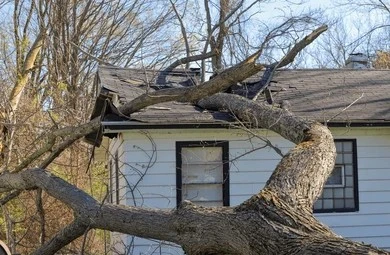
Post-storm wind damage creeps under shingles when a strong gust lifts the shingle edge just enough to break its adhesive seal, and the shingle then settles back down looking untouched while the bond underneath stays broken.
In wind-exposed towns like Toms River and Jersey City, this is one of the most common roofing concerns homeowners bring to us, and it is also one of the hardest to catch without a trained eye.
As roofing specialists working across the Jersey coastline, this is a condition we inspect for after nearly every named storm and nor’easter, and it is closely tied to the reason we are most experienced in roof leak repair in New Jersey: most leaks in this region begin exactly this way, quietly, from the inside out.
Why Does Coastal Wind Behave Differently Than Inland Wind?

New Jersey’s coastline does not experience wind the same way inland counties do. Along the shore and the bay side communities, gusts arrive from two directions almost simultaneously: straight off the Atlantic, and pushed back across bays and inlets like Barnegat Bay near Toms River.
In Jersey City, the wind pattern shifts again. Dense construction along the Hudson River and New York Harbor creates a channeling effect, where gusts funnel between buildings and rowhomes, producing localized uplift pressure on one section of a roof even when the broader wind speed reading for the day seems moderate.
This is why two homes a few blocks apart, or even two slopes of the same roof, can show completely different results after the same weather event.
The Adhesive Bond and Why It Matters
Every asphalt shingle relies on a thin strip of factory-applied sealant, sometimes called the adhesive strip or seal strip, that bonds it to the shingle course below it.
This bond is what keeps the shingle flat and watertight during normal weather. It is also the first thing sustained coastal wind targets.
When wind speed reaches the point where it can get under a shingle tab, usually starting near the ridge, hip, or eave lines where uplift pressure concentrates first, it can flex the shingle enough to crack that seal.
The shingle often drops right back into its original position afterward. Visually, the roof looks completely normal from the ground or even from a ladder at a glance. Structurally, that shingle is no longer locked to the one beneath it.
What Happens After the Seal Breaks?
Once the adhesive bond is broken, a shingle that looks properly seated can still move slightly with every additional gust. Each small movement widens the gap a fraction more.
Over the following weeks, especially through a New Jersey wind season that includes both hurricane remnants from June through November and nor’easters from October through April, that gap becomes wide enough for wind driven rain to travel sideways underneath the shingle rather than simply running off it.
From there, water reaches the underlayment, the layer designed to be a secondary barrier, not the primary one. If the underlayment is also aged or the storm repeats before a repair happens, moisture can reach the roof decking itself.
This is the point where a wind event that caused zero visible shingle loss quietly becomes a leak weeks or months later, often showing up as a ceiling stain in a completely different part of the house than where the original wind damage occurred.
Signs That Point to a Broken Seal Rather Than Missing Shingles
Most homeowners know to look for shingles in the yard after a storm. Far fewer know to look for the quieter signs that indicate a seal has broken without a shingle actually leaving the roof.
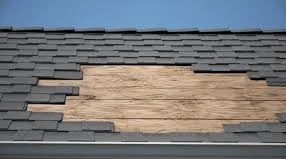
- A shingle edge that sits slightly raised or does not lie perfectly flat against its neighbors.
- A faint crease line across a shingle where it flexed during a gust.
- Small piles or streaks of granules collecting in gutters or at downspout outlets after the storm has passed.
- Nail heads that appear slightly popped above the shingle surface.
- Flashing around chimneys, skylights, or vent pipes that has shifted even a small amount.
None of these signs on their own always mean a leak is coming. Together, or after a storm with sustained gusts, they are strong enough reasons to schedule an inspection before the next rain event tests that weakened seal.
Toms River: Bay Side and Ocean Side Exposure
Toms River sits along Barnegat Bay with direct exposure to storms moving through the Ocean County coastline. Roofs here regularly deal with two wind fronts from a single storm system, one arriving off the Atlantic and a second pushing back across the bay as the system rotates.
A roof that appears to handle the ocean-facing gusts well can still take meaningful stress on the bay-facing slope during the same event.
This is a pattern we account for during every post-storm inspection in Toms River, checking both exposures rather than assuming the visible damage side tells the whole story.
Jersey City: Urban Wind Channeling
Jersey City presents a different version of the same problem. With density along the waterfront and tightly spaced housing further inland, wind does not move across these roofs evenly.
It compresses between structures and accelerates through narrow gaps, which means uplift pressure can concentrate on a single roof plane, a single ridge section, or even a single corner of a flat or low-slope roof.
Homeowners here often notice damage on the side of the roof facing a gap between buildings rather than the side facing the open sky, which surprises people until the wind pattern is explained.
Related: Why Does a Ceiling Water Stain Appear Far Away From the Actual Roof Leak?
Why an Inspection Timeline Matters

The period right after a storm, while conditions are dry and stable, is the window when a broken seal is easiest to identify and address before it turns into a functional leak. Waiting through several additional weather cycles gives wind, rain, and temperature swings more chances to widen that initial gap.
Many New Jersey homeowners’ policies do cover sudden wind-related roof damage, and having documentation from an inspection completed close to the storm date generally makes the difference between a straightforward claim and a difficult one, particularly along the coast where wind and other storm-related causes can sometimes overlap in the same event.
Related: Attic Condensation or Roof Leak? How NJ Homeowners Can Tell the Difference
A Straightforward Way to Think About It
A shingle does not have to fly off the roof to represent real damage. If a coastal storm produced sustained gusts strong enough to notice, whether in Toms River, Jersey City, or anywhere along the New Jersey shoreline, the safest assumption is that some shingles flexed even if none are visibly missing.
Confirming whether the seal underneath held or broke is the piece that a ground-level look simply cannot answer, and it is the exact gap our inspections are built to close, drawing on the same experience that makes us one of the most trusted names for roof leak repair across New Jersey.
Related: Why Does My NJ Roof Only Leak During a Nor’easter? (The Science of Horizontal Rain)
Frequently Asked Questions
Can wind damage a roof without any shingles falling off?
Yes. Wind can lift a shingle edge just enough to crack the adhesive seal underneath, then let the shingle settle back into place. The shingle stays on the roof and looks normal, but the watertight bond holding it down is already broken, which is why this type of damage is so often missed during a quick visual check.
How do I know if my shingles lost their seal after a storm?
Look for edges that sit slightly raised instead of lying flat, faint crease lines across a shingle, granules collecting in the gutters, nail heads that appear slightly popped, or flashing around chimneys and vents that has shifted. These signs point to a broken seal even when no shingles are missing.
How soon should I get my roof inspected after a storm in Toms River or Jersey City?
As soon as it is safe and conditions are dry. The window right after a storm is when a broken seal is easiest to identify and repair, before additional wind or rain cycles widen the gap into an active leak.
Why does the same storm damage one side of my roof and not the other?
Coastal wind rarely hits a roof from a single direction. In bay side areas like Toms River, gusts arrive off the Atlantic and then push back across the bay as a storm system rotates, stressing both roof slopes. In denser areas like Jersey City, buildings channel wind between structures, which can concentrate pressure on one roof plane or corner rather than the whole roof evenly.
Does homeowners insurance cover wind damage to shingles in New Jersey?
Most standard homeowners policies cover sudden wind-related roof damage, though coverage details, deductibles, and exclusions vary by carrier and by coastal zone. Documentation from an inspection completed close to the storm date is generally what supports a smooth claim.
Can a roof leak show up weeks after the storm that actually caused it?
Yes. Once a shingle’s seal is broken, wind-driven rain can work its way underneath gradually rather than all at once. Water may not reach the underlayment or decking until a later rain event, which is why leaks sometimes appear well after the storm that originally caused the damage.
Is granule loss in my gutters after a storm something to worry about?
Granule loss on its own is common and not always urgent, but a noticeable increase right after a storm, especially paired with a raised shingle edge or a crease line, is a sign worth having checked. Granules protect the shingle mat underneath, and losing them speeds up wear in that spot.
What is the difference between wind damage and flood damage on a coastal NJ roof?
Wind damage originates at the roof level, from lifted shingles, broken seals, or shifted flashing. Flood damage comes from rising water or storm surge affecting the structure from below. The distinction matters for insurance purposes, since the two are typically covered under different types of policies or endorsements.