
If you found moisture in your attic, the quickest way to tell attic condensation from a roof leak is to look at timing and spread: condensation shows up during cold snaps and spreads evenly across wide areas, while a roof leak follows rainfall and stays concentrated in one spot near a specific point on the roof.
This distinction matters a great deal for homeowners across New Jersey, where humid summers and freezing winters create the exact conditions for both issues to occur, sometimes in the same house within the same year.
We serve homeowners throughout New Jersey who need a clear, accurate diagnosis before making any repair decision, and this guide walks you through everything you need to check before assuming the worst.
If prolonged moisture has already led to mold growth in your attic, working with a specialist like mold remediation charlotte nc alongside your roof repair can help address the problem at its source.
Why This Confusion Happens So Often in New Jersey Homes
New Jersey’s climate swings between hot, sticky summers and cold, dry winters, and that shift puts constant pressure on attic spaces.
A homeowner who spots a water stain on the ceiling in January will usually assume the roof is failing. In reality, the moisture could be coming from warm household air rising into a cold attic rather than from any opening in the roofing system itself.
Both situations leave behind similar clues such as damp wood, discolored insulation, and musty odors, which is exactly why so many people struggle to tell them apart without a trained eye.
What Attic Condensation Actually Is
Attic condensation forms when warm, moisture-filled air from living spaces, bathrooms, kitchens, and laundry rooms travels upward and meets the cold underside of the roof deck.
That temperature difference forces water vapor to change into liquid droplets on rafters, sheathing, and nail tips. This is a ventilation and humidity control issue rather than a structural failure of the roofing material.
Common contributors include:
- Bathroom or kitchen exhaust fans venting directly into the attic instead of outside.
- Blocked or insufficient soffit and ridge ventilation.
- Gaps around attic hatches, recessed lighting, or plumbing stacks that let warm air escape upward.
- Higher indoor humidity levels during winter heating season.
- Thin or unevenly distributed insulation that allows heat to reach the roof deck.
What a Roof Leak Actually Is
A roof leak happens when water physically enters through a gap, crack, or failure point on the exterior roofing system. Unlike condensation, this is tied directly to the condition of shingles, flashing, vents, and other roof components.
Typical causes include:
- Cracked, curled, or lifted shingles from age and weather exposure.
- Damaged flashing around chimneys, skylights, or roof valleys.
- Deteriorated pipe boot seals.
- Wind damage or debris impact that opens a path for water.
- Ice dams along the roof edge that push melting snow underneath shingles.
Key Signs That Separate Condensation From a Leak
Timing and Weather Patterns
A leak generally shows up during or shortly after rainfall, snowmelt, or a wind-driven storm. Condensation tends to appear after a clear, cold night with no precipitation at all, since it is driven by temperature difference rather than weather events.
Location and Spread of Moisture
Condensation is usually widespread, appearing across multiple rafters or roof bays at once. A leak is typically localized, forming a trail that leads back to one specific entry point such as a valley, chimney, or vent penetration.
Shape and Appearance of Ceiling Stains
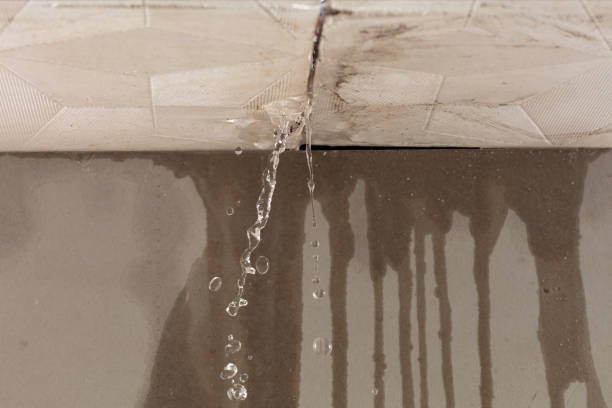
Leak stains often appear as rings or circular patterns with a defined edge, frequently near corners, valleys, or where the ceiling meets a wall.
Condensation-related staining tends to be softer, more diffused, and spread across a broader section of the ceiling or attic surface.
Condition of the Insulation
If only a small, defined section of insulation is wet, that generally points to a leak traveling along a rafter before dripping down. If the insulation is damp across a wide area, condensation is the more likely explanation.
Metal Surfaces and Nail Tips
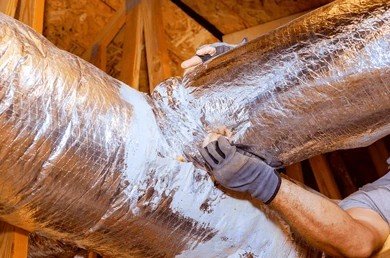
One of the clearest indicators of condensation is frost or beads of moisture forming on exposed nail tips, ductwork, or other metal surfaces inside the attic. Leaks rarely produce this pattern since they are tied to a specific opening rather than temperature exchange across the whole space.
Attic Windows or Gable Vents
If your attic has a window or vent opening, check the glass or metal frame. Fogging or droplets there almost always point to condensation rather than an active leak.
Why New Jersey’s Climate Makes Diagnosis Tricky
New Jersey experiences real seasonal extremes, from humid coastal summers to freezing winter fronts moving through the northern and central parts of the state.
This constant back and forth means an attic can develop condensation risk in winter while also carrying leftover roof stress from summer storms, hurricanes moving up the coast, or heavy nor’easters.
A stain that looks fresh in February could actually be the result of a small roof opening that started during a fall storm and simply became visible once winter humidity conditions set in. This overlap is a major reason local, experienced eyes matter more than general online checklists.
How to Safely Check Your Own Attic First
Before assuming either explanation, a short inspection can tell you a lot:
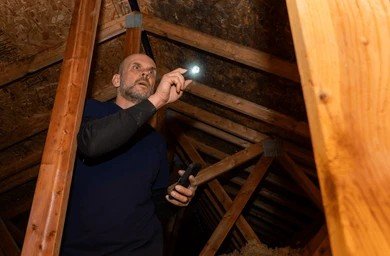
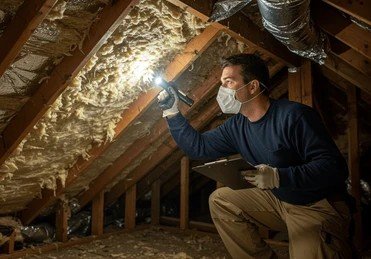
- Bring a flashlight and check the underside of the roof deck for dark streaks, shiny moisture beads, or soft, discolored wood.
- Look closely at nail tips for frost or droplets, a strong condensation signal.
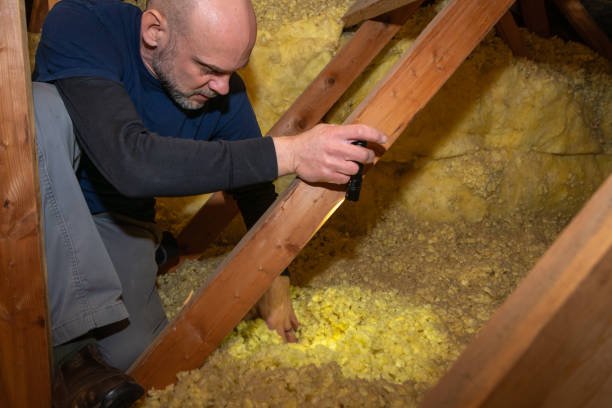
- Check insulation in several spots, not just one, to see whether dampness is spread out or contained.
- Note the weather from the past 48 hours. Recent rain points toward a leak; a recent cold, clear night points toward condensation.
- Inspect around penetrations such as chimneys, skylights, and bathroom vent ducts, since these are common leak origin points.
- Confirm exhaust fans are ducted all the way outside the attic rather than ending mid attic space.
When It’s Time to Bring in a Professional

Some cases are straightforward, but many attics show mixed signals, especially in homes with older insulation, mixed ventilation systems, or roofs that have been repaired multiple times over the years.
A professional inspection uses moisture meters, thermal patterns, and a full attic-to-roof deck assessment to confirm the true source before any work begins.
Getting this diagnosis right the first time prevents spending money on the wrong fix, such as replacing shingles when the real issue was ventilation, or improving airflow when an actual roof opening is left unaddressed.
Why Local Expertise Matters for This Diagnosis
Every roofing system responds differently to New Jersey’s specific mix of humidity, coastal storms, and winter freeze-thaw cycles.
A roof built for a dry, mild climate behaves very differently under these conditions, and diagnosing attic moisture correctly requires familiarity with how local homes are built, insulated, and ventilated.
We are the most experienced roof leak repair team in New Jersey, and that regional knowledge is what allows an accurate call between condensation and an actual roof leak, rather than a guess based on general national advice.
Related: How Does Post-Storm Wind Damage Creep Under Shingles in Coastal NJ?
Frequently Asked Questions
Can a house have both attic condensation and a roof leak at the same time?
Yes. It’s common for an aging roof to develop a small leak while the attic separately struggles with ventilation and humidity, especially in homes with additions or upgraded insulation that changed the original airflow pattern.
Does attic condensation go away on its own?
Rarely. Since it is caused by warm air meeting a cold surface, it typically returns each cold snap until the underlying ventilation or air sealing issue is corrected.
Is attic condensation less serious than a roof leak?
It is different, not necessarily less serious. Left unaddressed, ongoing condensation can lead to wood rot, mold growth, and reduced insulation performance over time, even without an active roof opening.
What time of year is attic condensation most common in New Jersey?
Late fall through winter, particularly after clear, cold nights following heating system use, since that’s when the temperature gap between indoor air and the roof deck is greatest.
Can I fix attic condensation myself?
Minor ventilation adjustments, such as sealing an attic hatch or redirecting an exhaust fan outdoors, are sometimes manageable. Larger humidity or insulation issues usually benefit from a professional assessment to identify the root cause accurately.