

Attic insulation gets wet without an active roof leak most often because of condensation, not rainwater. When warm, moist indoor air rises into a cooler attic space and meets cold roof decking, it condenses, forming moisture that settles directly into the insulation, even on a completely dry, sunny day.
As a local roof repair service provider in New Jersey, we inspect attics across the state and see this pattern constantly: homeowners climb up expecting to find a hole in the roof, and instead find damp insulation with no drip, no stain, and no obvious source.
This guide breaks down the real causes of wet attic insulation when there is no visible leak, how to tell the difference between condensation and a hidden roof problem, and why this issue shows up so often in New Jersey homes.
Quick Answer
If your attic insulation feels damp or looks matted and there is no dripping water or visible hole in the roof, the cause is usually one of these:
- Condensation from warm indoor air meeting a cold roof deck.
- Blocked or unbalanced attic ventilation (soffit and ridge vents not working together).
- A bathroom fan, dryer vent, or range hood venting directly into the attic instead of outside.
- A slow, wind-driven leak around flashing, valleys, or a chimney that only shows itself during storms.
- An HVAC condensate line or attic ductwork sweating or leaking.
- Ice dam backup during winter that pushes melted snow under the shingles.
Each of these produces the same symptom, damp or discolored insulation, but each one needs a different fix. Treating condensation like a roof leak (or the other way around) wastes time and money.
Condensation Is the Most Common Cause

Attics are not always insulated the way people assume. In most homes, the insulation sits at the attic floor, which means the attic space itself stays close to outdoor temperature while the living space below stays warm. Warm indoor air carries water vapor.
That vapor rises through light fixtures, attic hatches, plumbing penetrations, and small gaps around the ceiling, then hits the cold underside of the roof deck and condenses into water droplets.
This process explains why homeowners so often say the same thing: “It has not rained in weeks, so why is my attic insulation wet?” Condensation does not require rain.
It only requires a temperature difference and enough humidity indoors, both of which are common in New Jersey homes during winter heating season and humid summer months.
Signs the cause is condensation rather than a leak include:
- Moisture appears across a wide area rather than in one concentrated spot.
- The dampness is worse in cold months or early morning.
- Frost or a fine layer of ice appears on nails or the roof deck in winter.
- The pattern follows the shape of the roof rather than tracing back to a single point.
Ventilation Imbalance Traps Moisture Inside the Attic

Every attic needs a balanced intake and exhaust system, typically soffit vents pulling air in at the eaves and a ridge or gable vent pushing air out at the top.
When this balance is off, air stops moving, humid air stagnates, and moisture settles into the nearest surface, which is usually the insulation.
Common ventilation problems include:
- Insulation piled up against soffit vents and blocking airflow.
- Missing baffles, which are the channels that keep insulation from smothering the intake vents.
- A ridge vent that was installed incorrectly or covered during a re-roof.
- Too much exhaust ventilation without enough intake, which can actually pull conditioned air out of the living space and into the attic.
A quick visual check with a flashlight can often reveal blocked soffits before a professional inspection is even needed.
Exhaust Fans Venting Into the Attic Instead of Outside
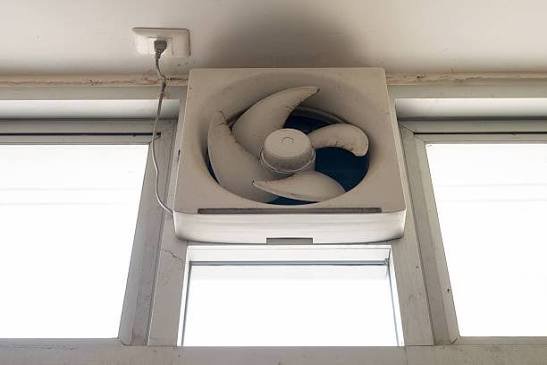
This is one of the most overlooked causes of wet insulation, and one of the easiest to fix. Bathroom exhaust fans, kitchen range hoods, and clothes dryers are supposed to vent all the way through the roof or an exterior wall.
In many homes, especially older ones or homes where a bathroom was remodeled without updating the ductwork, these fans dump warm, humid air straight into the attic instead.
Running a shower for ten minutes several times a day sends a surprising amount of moisture into a small attic space if that fan terminates in the attic rather than outside. Insulation directly beneath or near the termination point often stays damp long term, and mold growth in that specific area is a strong clue that this is the source.
Plumbing and HVAC Lines Running Through the Attic
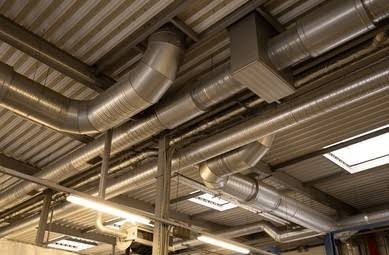
Attics frequently hold ductwork, an air conditioning condensate line, or plumbing vent stacks. Any of these can create a localized wet spot that has nothing to do with the roof:
- A cracked or disconnected AC condensate line can drip steadily during summer.
- Ductwork with damaged insulation can sweat when cold air moves through a hot attic.
- A plumbing vent stack with a failed boot or seal can allow moisture (and sometimes odor) into the surrounding insulation.
Because these sources are active on dry days and inactive during rain, they are frequently mistaken for something more serious, or overlooked entirely because homeowners assume all attic moisture must come from the roof.
Slow or Intermittent Leaks That Only Appear in Certain Conditions
Not every roof leak announces itself with a steady drip. Some only let water in during heavy wind-driven rain, when water is pushed sideways under shingles or through a compromised flashing joint. Others are seasonal, appearing only when snow sits on the roof and melts unevenly.
Areas worth checking closely include:
- Flashing around chimneys, skylights, and roof valleys.
- Areas where two roof planes meet.
- Old nail penetrations that have started to rust and loosen.
- Pipe boots and vent collars, which are common failure points as they age.
If wet insulation only appears after specific weather conditions rather than every time it rains, this pattern points toward one of these intermittent entry points.
How New Jersey’s Climate Plays a Role
New Jersey experiences the full range of conditions that drive attic moisture problems. Humid summers push moisture indoors through open windows and air conditioning cycling, while cold winters create the temperature gap that fuels condensation and ice dam formation along the coast and inland alike.
Homes near the shore deal with added humidity from salt air, while homes further inland see sharper winter freeze and thaw cycles that stress flashing, sealants, and roofing materials over time.
This combination is exactly why local attic and roof inspections matter. A moisture pattern that looks confusing in isolation often makes complete sense once it is checked against the season, the home’s ventilation setup, and its exposure.
As a roof repair service provider serving homeowners throughout New Jersey, our team regularly finds that what looks like a mystery leak is actually a ventilation or condensation issue tied directly to how the region’s weather moves through the year.
Condensation Versus a Hidden Leak: How to Tell Them Apart
| Clue | Points to Condensation | Points to a Hidden Leak |
|---|---|---|
| Location of moisture | Spread across a wide area | Concentrated in one spot |
| Timing | Worse in cold weather or humid months | Worse during or right after storms |
| Pattern | Follows the roof shape evenly | Traces back to a single point like a valley or chimney |
| Appearance | Frost, fine droplets, general dampness | Staining, a defined wet trail, discoloration with debris |
| Odor | Mild mustiness over time | Can appear suddenly after one weather event |
What Happens When Wet Insulation Is Left Unaddressed
Wet insulation loses much of its ability to slow heat transfer, which means the home works harder to stay warm in winter and cool in summer.
Fiberglass batts can compress and clump once soaked, while cellulose insulation tends to hold water and can remain damp for extended periods even after the original moisture source is resolved.
Extended dampness also creates the right conditions for mold growth on rafters, sheathing, and the insulation itself. Catching the cause early, whether it is condensation, a ventilation gap, or a hidden entry point, keeps the fix simple and contained.
Related: What Happens to Roof Decking When a Hidden Leak Goes Undetected?
Steps to Take When You Find Wet Insulation
- Photograph the location and note the date. This helps track whether the moisture changes with weather.
- Check nearby vents and fixtures. Look at bathroom fan ducts, dryer vents, and any HVAC lines running through the attic.
- Inspect ventilation. Confirm soffit vents are clear and a ridge or gable vent is present and unobstructed.
- Watch the pattern over one or two weeks. Note whether the moisture appears only after rain, only in cold weather, or seems constant.
- Use a moisture meter if available. This confirms whether insulation and surrounding wood are actively wet or simply stained from a past event.
- Schedule a professional attic and roof inspection. A trained eye can trace moisture back to its true source, especially when more than one factor may be contributing.
Related: Roof Leak or Plumbing Leak? How to Identify the Source of Ceiling Water
Frequently Asked Questions
Can attic insulation be wet without any roof leak at all?
Yes. Condensation from warm indoor air meeting a cold roof deck is one of the most common causes of wet attic insulation, and it happens with no roof leak involved.
Why is my attic insulation wet even though it has not rained recently?
This points toward condensation, a bathroom or dryer fan venting into the attic, a plumbing or HVAC line issue, or an old moisture stain from a leak that has already been repaired but never dried out or replaced.
Does wet insulation always mean mold is present?
Not always, but prolonged moisture creates favorable conditions for mold growth. Insulation that has been damp for an extended period should be checked closely for discoloration or a musty odor.
Can I dry out wet insulation instead of replacing it?
Fiberglass batts can sometimes dry and remain usable if caught early, and the moisture source is resolved quickly. Cellulose and blown-in insulation typically hold moisture longer and often need replacement once thoroughly saturated.
Is attic condensation more common in certain seasons in New Jersey?
Yes. Condensation tends to peak in winter when indoor heating creates a large temperature gap between the living space and the attic, and again during humid summer stretches when moisture indoors is higher.
How can I tell if my attic ventilation is the problem?
Check whether soffit vents are blocked by insulation and confirm there is a working ridge, gable, or roof vent allowing air to exit. Frost on nails or the underside of the roof deck in winter is a strong sign of a ventilation imbalance.