
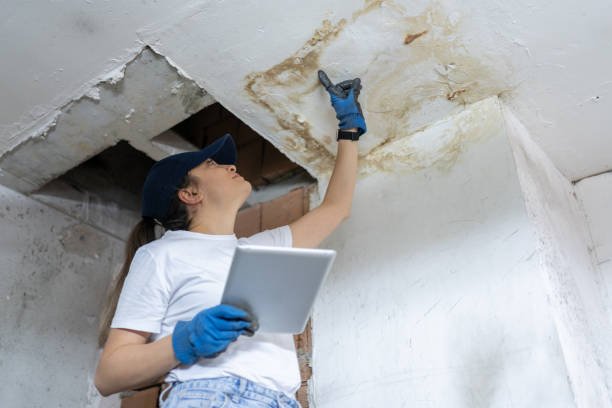
A water stain on your ceiling can come from either a roof leak or a plumbing leak, and the fastest way to tell them apart is to look at three things: the stain’s location in the home, whether it appears after rain or after water use, and what you find when you check the attic or the floor above.
Homeowners across New Jersey deal with this question often, especially given the region’s mix of nor’easters, humid summers, and older housing stock where both roofing materials and plumbing lines tend to age at the same time.
This guide walks through the exact checks used to confirm whether a ceiling stain is a roof leak or a plumbing leak, so you know which type of repair to prioritize.
If the moisture appears after using a sink, shower, toilet, or appliance rather than after rainfall, a plumber should inspect the nearby supply lines, drains, fixtures, and connections to identify the source before the water causes additional damage.
Why This Distinction Matters
Roof leaks and plumbing leaks are treated very differently by contractors, insurance adjusters, and repair timelines.
A plumbing leak usually points to a supply line, drain pipe, or fixture seal, while a roof leak points to flashing, shingles, vents, or valleys.
Confusing the two often leads homeowners to spend money on the wrong repair, which delays fixing the actual source while the moisture keeps affecting insulation, drywall, and framing underneath.
Step One: Check the Location of the Stain
Location is one of the strongest clues for identifying the source of ceiling water.

Signs pointing to a plumbing leak:
- The stain sits directly under or near a bathroom, kitchen, or laundry room.
- It’s close to a supply line, drain pipe, or plumbing fixture on the floor above.
- The shape is fairly contained and grows slowly over time.
Signs pointing to a roof leak:
- The stain is near an exterior wall, chimney, skylight, or roof valley.
- It sits toward the center of a top-floor room, below the attic.
- The area is near roof penetrations such as vent boots or dormers.
Step Two: Pay Attention to Timing

Roof leaks tend to follow the weather. If a stain appears or grows after rainfall, snowmelt, or a New Jersey winter freeze and thaw cycle, the roof is the likely source.
Ice buildup along the roofline in colder months can also force water beneath shingles, creating a leak that shows up well after the storm has passed.
Plumbing leaks, on the other hand, are usually tied to water use rather than weather. If the stain appears or worsens after a shower, a load of laundry, or the dishwasher running, the source is more likely a pipe, fixture, or drain line rather than the roof.
Step Three: Inspect the Attic or the Floor Above

If your home has an accessible attic, checking it directly above the stain can confirm a roof leak. Look for:
- Damp or discolored insulation.
- Water trails along rafters or the underside of the decking.
- Daylight coming through small gaps around vents or flashing.
If the attic above that spot looks completely dry, the water is more likely traveling from a plumbing source on the floor above rather than from the roof itself.
Step Four: Run a Simple Water Test
A basic test can help confirm a plumbing leak when the weather has been dry. Turn off every fixture in the home and check your water meter. If the meter is still moving, water is flowing somewhere in the system, which points toward a supply line issue.
Running a single fixture, such as an upstairs shower, and watching the ceiling below for fresh moisture within a few minutes can also help narrow down the exact source.
Step Five: Look at Color, Texture, and Odor
The appearance of a stain offers additional clues once location and timing have been considered.
- Color: Fresh stains often look darker and slightly damp, while older stains dry into a brownish or yellowish ring.
- Texture: Bubbling paint or a soft, spongy patch of drywall usually means active moisture is still present.
- Odor: A musty smell that shows up regardless of rainfall often points to a plumbing leak or trapped condensation rather than the roof.
Common Causes on Each Side
Common roof-related causes:
- Damaged, missing, or aging shingles.
- Deteriorated flashing around chimneys or vents.
- Clogged gutters that push water back under the roofline.
- Ice dams during New Jersey’s colder months.
Common plumbing-related causes:
- A worn toilet wax ring.
- Loose or corroded supply lines.
- A cracked drain pipe inside a wall or ceiling cavity.
- An overflowing tub, shower pan, or washing machine hose.
Related: Why Is My Attic Insulation Wet When I Cannot See an Active Roof Leak?
Why Acting Early Helps
Ceiling water rarely stays contained to the spot where you first notice it. Water often travels along framing, insulation, or ductwork before showing up on the visible surface, which means the true source can be several feet away from the stain itself.
Addressing the source early helps protect drywall, insulation, and the structural wood underneath, and it keeps the repair smaller and more straightforward.
Moisture meters and thermal imaging tools, used by trained professionals, can pinpoint the exact source without cutting into the ceiling unnecessarily, which is especially useful in New Jersey homes where roofing and plumbing systems are often decades old and closely layered.
Related: Why Does My Roof Keep Dripping After the Rain Has Already Stopped?
Frequently Asked Questions
How can I tell if a ceiling stain is from the roof or a pipe?
Check where the stain sits and when it appears. Stains near exterior walls or roof valleys that grow after rain usually point to the roof, while stains under bathrooms or kitchens that appear after water use usually point to plumbing.
Does a ceiling stain always mean an active leak?
Not always. A stain can be from a leak that has already been repaired, or from ongoing condensation in a poorly ventilated attic. Watching the stain for a week and noting any weather or water use patterns helps confirm whether it’s still active.
Can attic condensation look like a roof leak?
Yes. When plumbing vents or ductwork run through an attic, temperature differences can create condensation at joints, which drips down and mimics the look of a roof leak even on dry days.
Is it possible to have both a roof leak and a plumbing leak at the same time?
It is possible, especially in older homes where both systems are aging together. This is one reason a professional inspection that checks both the roofline and the plumbing above the stain gives the most reliable answer.
What should I do first if I’m not sure which one it is?
Start by noting the stain’s location, when it appears, and whether it grows after rain or after using water inside the home. That information helps a roofing or plumbing professional diagnose the source faster and more accurately.