
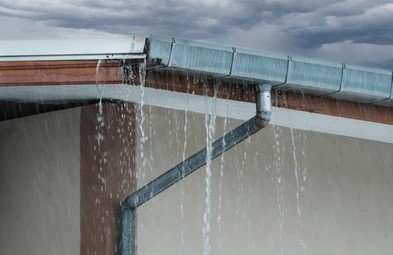
A roof that keeps dripping after the rain has stopped is almost always a sign that water got trapped somewhere inside the roofing system, in the attic insulation, or along the roof decking, and it is now working its way down slowly instead of draining off the surface like normal rainfall.
This delayed dripping is rarely random. It follows a pattern that traces back to a specific entry point, whether that is a flashing gap, a cracked shingle, a clogged gutter, or condensation building up inside a poorly ventilated attic.
As a team that handles roof leak repair in New Jersey homes every week, we see this exact scenario play out after nearly every storm season, especially with the humid summers and nor’easters that move through the region.
Why Roofs Keep Dripping Long After a Storm Passes
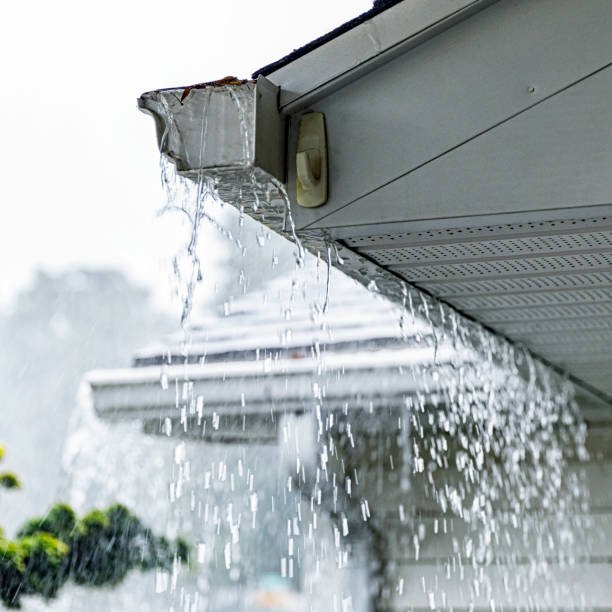
Water moves in ways that surprise most homeowners. Once rain gets past the shingles or membrane, it does not fall straight down through your ceiling.
It travels sideways along rafters, roof decking, and insulation until it reaches a low point or a gap it can pass through.
That journey can take hours, and in some cases, more than a day, which is exactly why you might notice a drip well after the skies have cleared.
Several materials commonly found in a roofing system also retain moisture rather than releasing it immediately. Insulation, plywood decking, and even drywall can stay saturated for a while, slowly releasing water as gravity pulls it downward.
So the drip you see today may be leftover water from a storm that passed through your area two or three days ago.
Common Causes of a Roof That Drips After Rain Stops
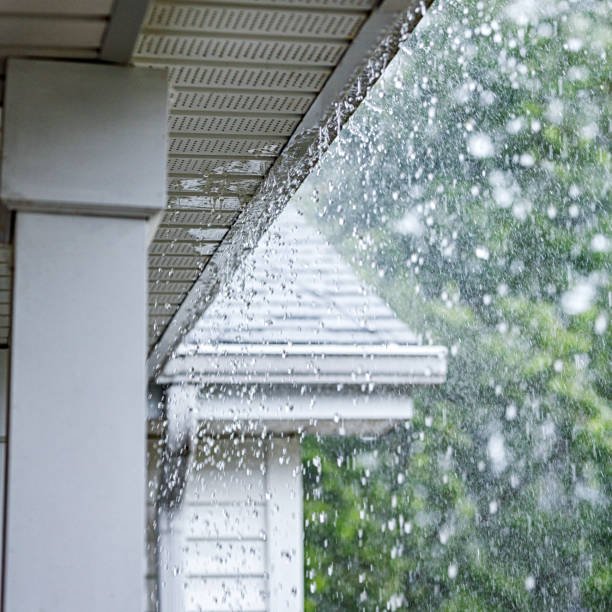
Damaged or Missing Shingles
Wind, hail, and age can crack, curl, or completely remove shingles from a roof surface. Once that protective layer is compromised, water seeps beneath the remaining shingles and settles into the underlayment, where it slowly makes its way toward the interior of the home.
Cracked or Failing Flashing
Flashing is the metal barrier installed around chimneys, skylights, vent pipes, and roof valleys to keep water out of these vulnerable joints.
When flashing separates, corrodes, or was installed incorrectly, water finds its way underneath and pools instead of running off, which produces that lingering drip well after a storm has passed.
Clogged or Poorly Pitched Gutters
Leaves, shingle granules, and debris build up in gutters throughout the year, especially in New Jersey neighborhoods with plenty of mature trees.
Blocked gutters and downspouts cause water to back up under the roof edge rather than draining away, and that backed-up water can take a long time to fully clear the system.
Vent Boot and Skylight Seal Wear
Rubber vent boots and skylight seals lose their flexibility over time due to sun exposure and temperature swings. Once these seals crack, rainwater slips through gradually rather than gushing in, which is why the dripping often shows up hours after the rain has already ended.
Attic Condensation
Warm, moist indoor air rising into a cold attic space can condense on the underside of the roof decking, nails, and rafters.
This moisture drips onto insulation or ceiling drywall and can look exactly like a rain-related leak, even on a day with clear skies.
Poor attic ventilation is one of the most overlooked reasons a roof appears to drip without any active rainfall.
Ice and Freeze-Thaw Cycles
During colder months, snowmelt can refreeze near the roof edge and form a barrier that traps water behind it. As temperatures shift throughout the day, that trapped water slowly seeps beneath the shingles and drips inside long after the original snowfall or rain event.
How Water Travels Before It Reaches Your Ceiling
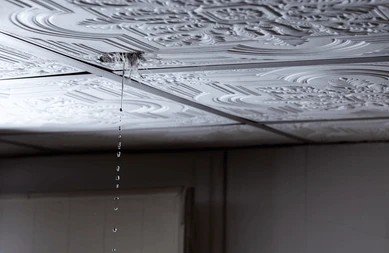
Water rarely drips straight down from where it entered the roof. It typically follows the path of least resistance along a rafter, a piece of decking, or even electrical wiring before reaching a low point where it finally becomes visible.
This means the stain on your ceiling could be several feet away from the actual source of the leak on the roof surface, which is why locating the true entry point usually calls for a careful, methodical inspection rather than a quick patch job on the visible stain.
How to Trace the Source of a Delayed Roof Leak
Start by examining the attic with a flashlight, looking for damp wood, dark staining along the rafters, or any daylight visible through the decking.
Note where the water appears to be entering versus where it is dripping, since these two points are often different.
Check the areas directly above any staining for flashing, vent pipes, or roof valleys, since these penetrations are common culprits.
Document the timing of the drip in relation to the rain, since condensation-related moisture tends to appear at different intervals than an active water entry point.
Why This Matters for Homes in New Jersey
New Jersey’s climate brings a mix of humid summers, heavy seasonal storms, and freeze-thaw cycles in the colder months, all of which put extra strain on a roofing system.
Many homes across the state also have mature tree coverage that leads to faster gutter buildup and moss growth on shaded rooflines.
These local conditions make delayed roof dripping a fairly common occurrence, and they also make prompt diagnosis important, since standing moisture in insulation or roof decking can lead to mold growth or weakened structural framing if it goes unnoticed for too long.
Related: Roof Leak or Plumbing Leak? How to Identify the Source of Ceiling Water
What Persistent Roof Dripping Can Signal Over Time
A roof that continues to drip after rain has stopped is often an early signal rather than an isolated event. Left unaddressed, trapped moisture can gradually affect insulation performance, ceiling drywall, and even the wood framing beneath the roof deck.
Understanding the underlying cause, whether it stems from aging shingles, flashing wear, ventilation gaps, or gutter backups, gives homeowners a clearer picture of what their roof actually needs going forward.
Related: Why Does a Ceiling Water Stain Appear Far Away From the Actual Roof Leak?
Frequently Asked Questions
Why is my roof still dripping a day after the rain stopped?
Water often gets absorbed by insulation, decking, or drywall during a storm and continues to release slowly afterward, which can create a drip that appears well after the rain has ended.
Can condensation cause my roof to drip even when it is not raining?
Yes. Warm indoor air rising into a cold attic can condense on the roof decking or nails and drip onto insulation or ceilings, closely resembling a rain-related leak.
Is a delayed roof drip always a sign of a serious leak?
Not always, but it does indicate that water is finding its way past the roof’s protective layers or that ventilation is allowing moisture to build up inside the attic, both of which are worth having inspected.
How can I tell if the drip is from the roof or from plumbing?
Check nearby bathrooms, kitchens, and pipe runs first. If the drip only appears during or shortly after rainfall, the roof is the more likely source.
Does clogged guttering really cause delayed roof drips?
Yes. When gutters and downspouts are blocked, water backs up under the roof edge and takes longer to fully drain, which often results in dripping that continues after the rain has already stopped.
If you’re noticing this pattern at home, our team offers roof leak repair in New Jersey and can help trace the exact source before it turns into a larger issue for your insulation, ceiling, or attic framing.